
performances featured in the 5th edition of the AżTak Festival: OBSESSIONS
-
music
Tomasz Prasqual
-
libretto
Giulia Fornasier, Tomasz Prasqual
-
musical direction
Lilianna Krych
-
staging
Cezary Tomaszewski
-
premiere
3 July 2026 r.
-
duration
70 min.
-
tickets
60 pln
cast
Justyna
Rapacz
Michał
Sławecki

Bartosz
Koziak
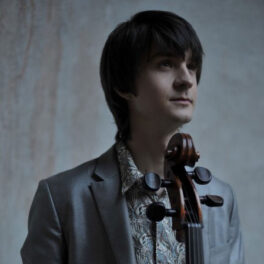
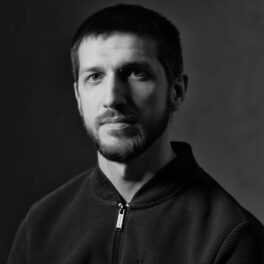
Dominik
Płociński
about the event
only Love can break your Heart is an opera piece that brings together the poetry of Gaspara Stampa, one of the first women in European literature, writing with extraordinary intensity about love, desire, and loss, with texts by Logan February, a contemporary queer poet from Nigeria who explores identity, norms, and the experience of being “Other.” Two distant eras and perspectives meet beyond linear time, in a space of repetition, waiting, and longing.
The texts are woven into a score for six solo performers (two singers, two actors, and two cellists), instrumental ensemble, and electronics, creating a multilayered space between voice, body, and sound. Queer sensitivity meets the feminist power of confession.
The performance begins with a conscious embrace of the convention of the romantic lament: suffering, longing, and unfulfilled love. This convention is gradually pushed to its limits until it collapses. Returning to their love stories, the characters begin to realize that their beloveds may never have existed as real people — they were created through language, memory, and projection. At the center of the performance emerges the question: how do we tell ourselves stories about love? And how do we construct love through that storytelling?
The two cellists embody the absent lovers — initially as projections of desire, but over time they gain autonomy and their own musical voice. At the same time, each character splits into voice and body (singer and actor), creating tension between expression and presence.
only Love can break your Heart does not tell a love story; it dismantles one. It asks about the limits of the language of love, its repetitiveness, and what remains once it is exhausted. Is a form of relationship possible beyond possession and projection?
After the collapse of existing orders and structures, the performance arrives at a fragile space of silence — a blank page where something new may emerge, or where silence itself becomes the answer: a moment of exhaustion of the obsession with love and a crossing beyond the limits of form, language, and projection.
only Love can break your Heart places the experiences of marginalized people at its center and proposes music theatre as a space for rethinking intimacy, voice, and relationships beyond established narratives.
Herbal cigarettes are used in this performance.
creators
composer: Tomasz Prasqual
libretto: Giulia Fornasier, Tomasz Prasqual
staging, costumes, lighting design: Cezary Tomaszewski
music director: Lilianna Krych
ensemble: Hashtag Ensemble:
Adam Eljasiński – clarinets
Julian Paprocki – clarinets, saxophone
Monika Paprocka-Całus – French horn
Michał Adamin – trumpet
Wojciech Jeliński – trombone
Marta Piórkowska – violin
Stefania Grabiec – violin
Aleksandra Demowska-Madejska – viola
Mateusz Loska – double bass
Paweł Janas – accordion
Krzysztof Kozłowski – synthesizers
Magda Kordylasińska-Pękala – percussion
Lilianna Krych – conductor
production: Zofia Zajkowska and Millena Kamińska
visual identity: Aleksandra Ołdak
sound direction: Kosma Standera
organized by: Warszawskie Towarzystwo Sceniczne, Fundacja Sfera Harmonii
co-production: TR Warszawa
financial support: Kunststiftung NRW
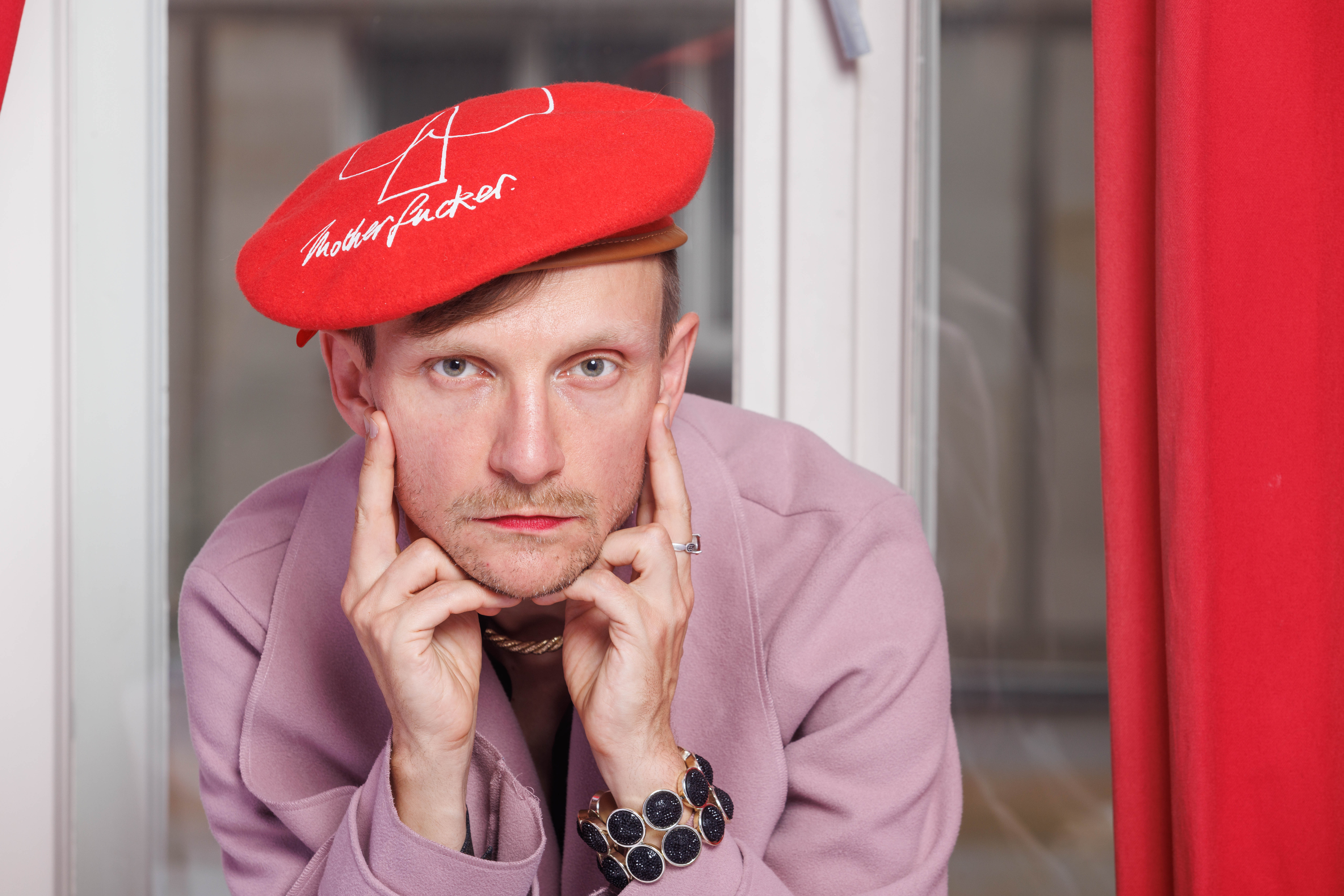
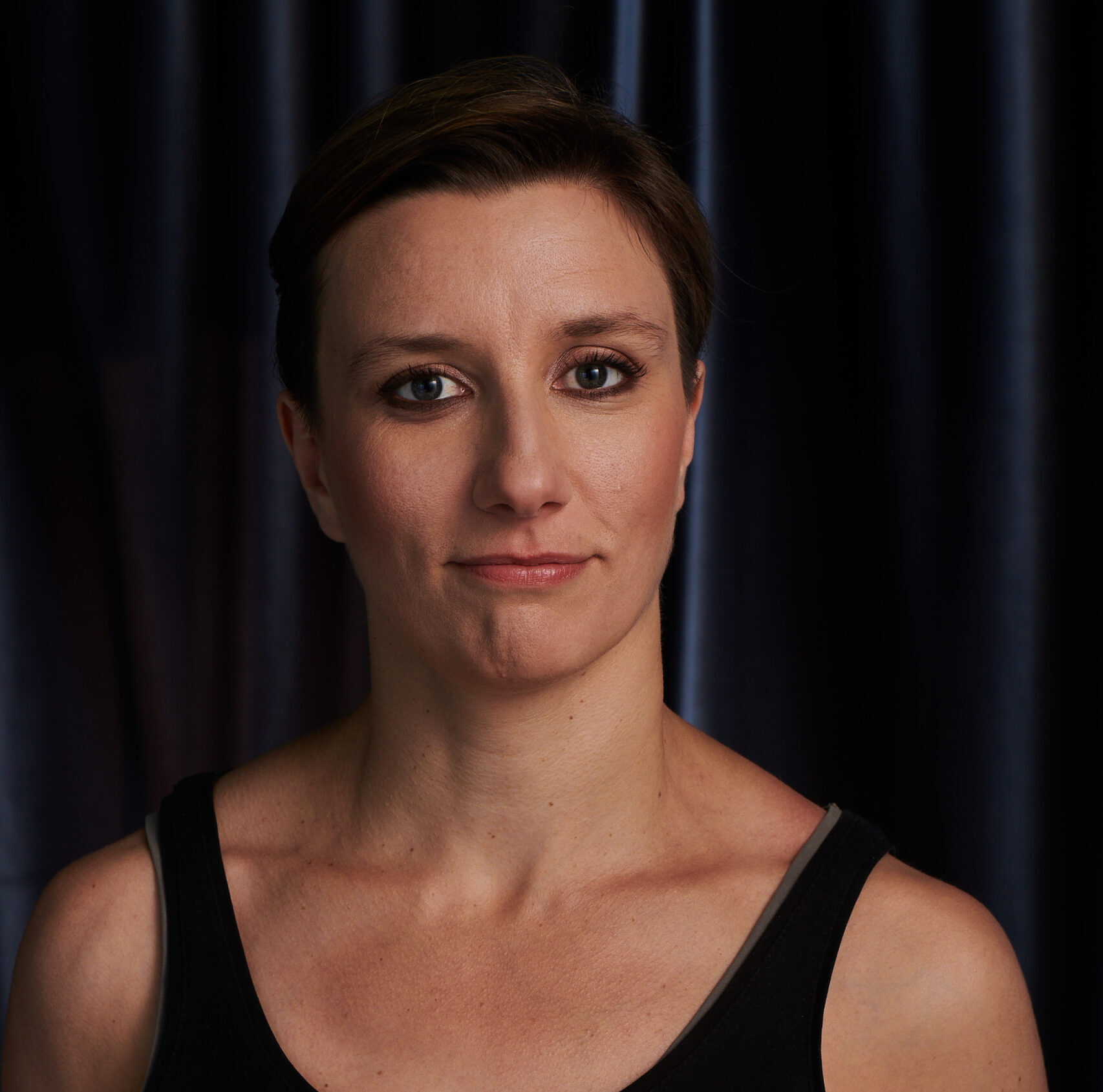
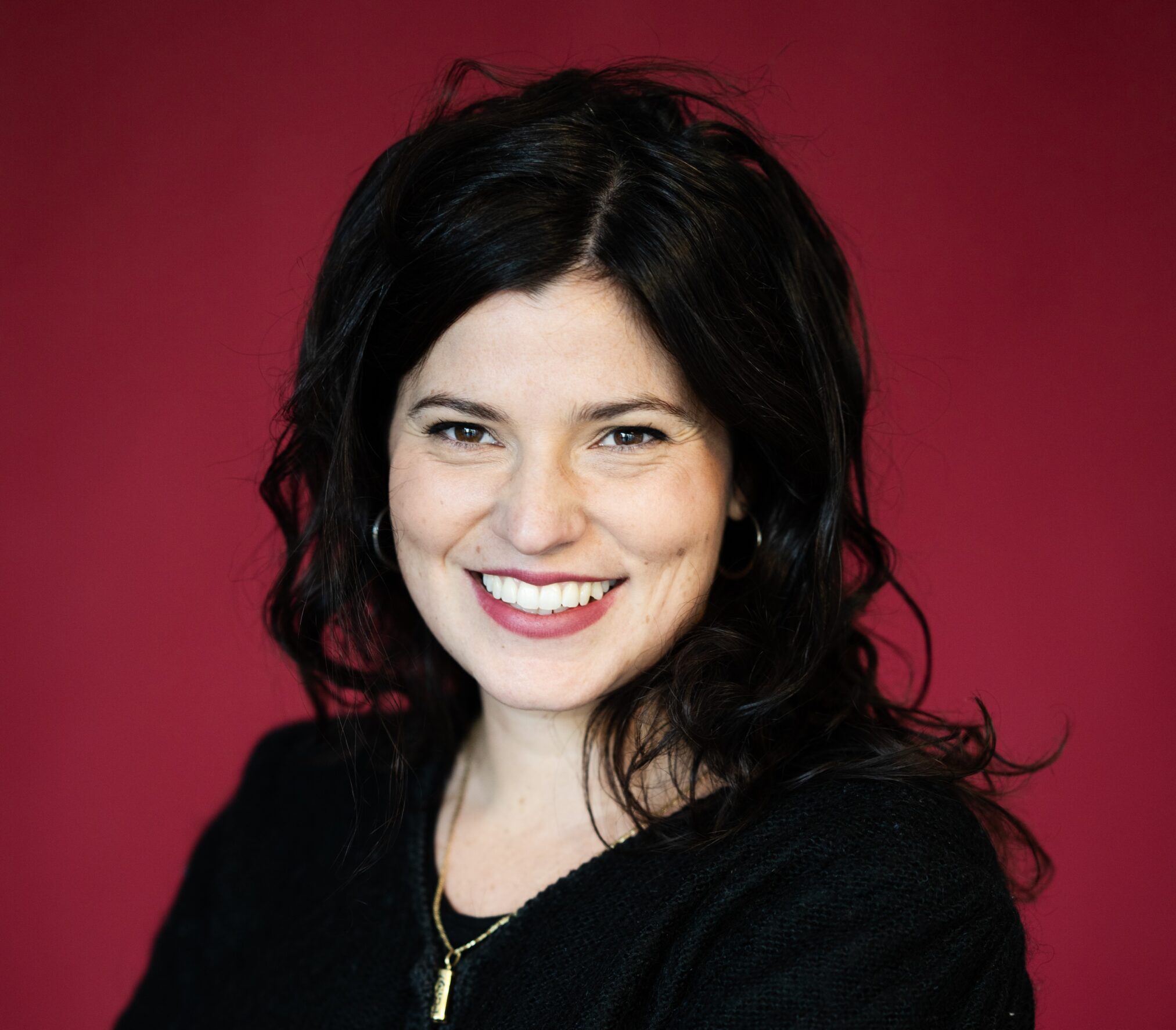
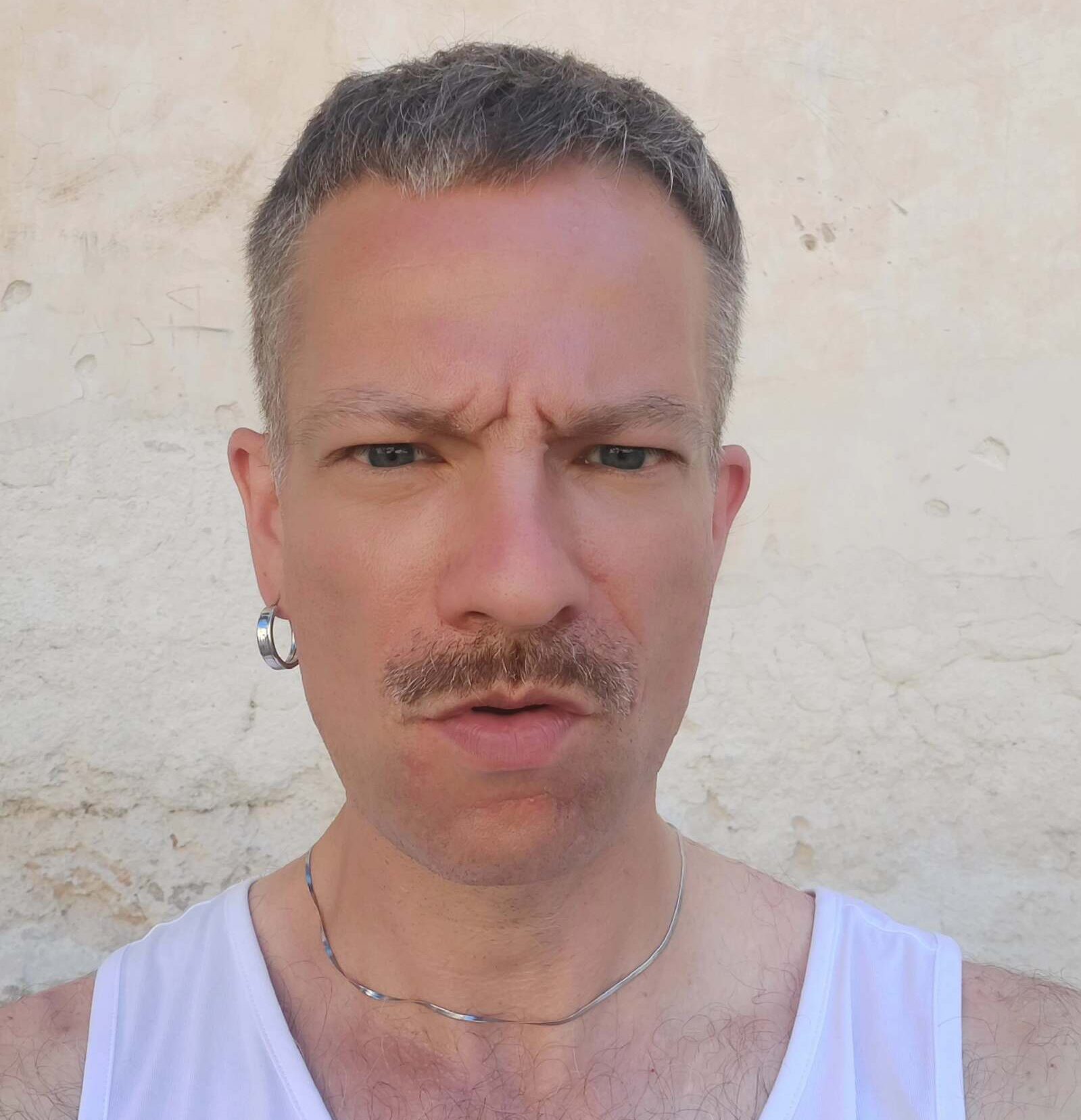

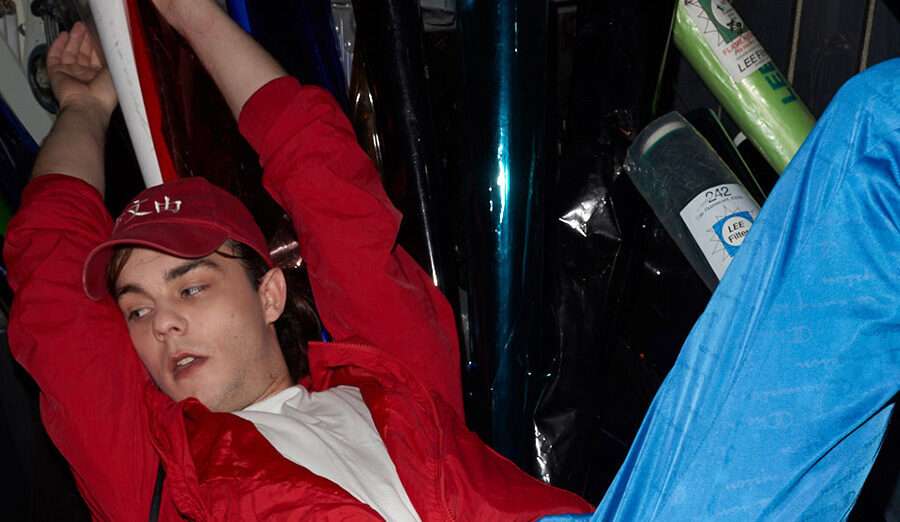
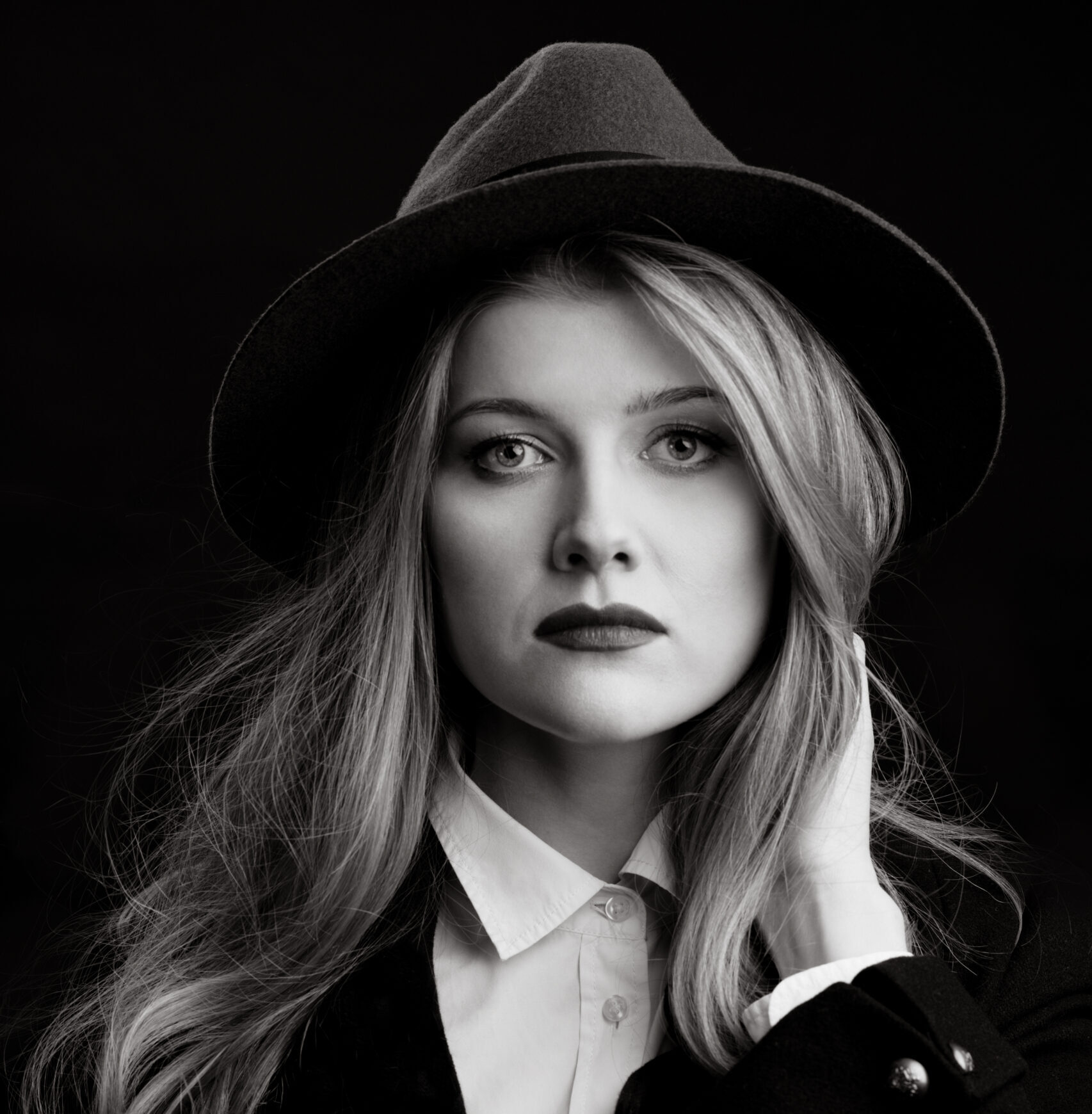
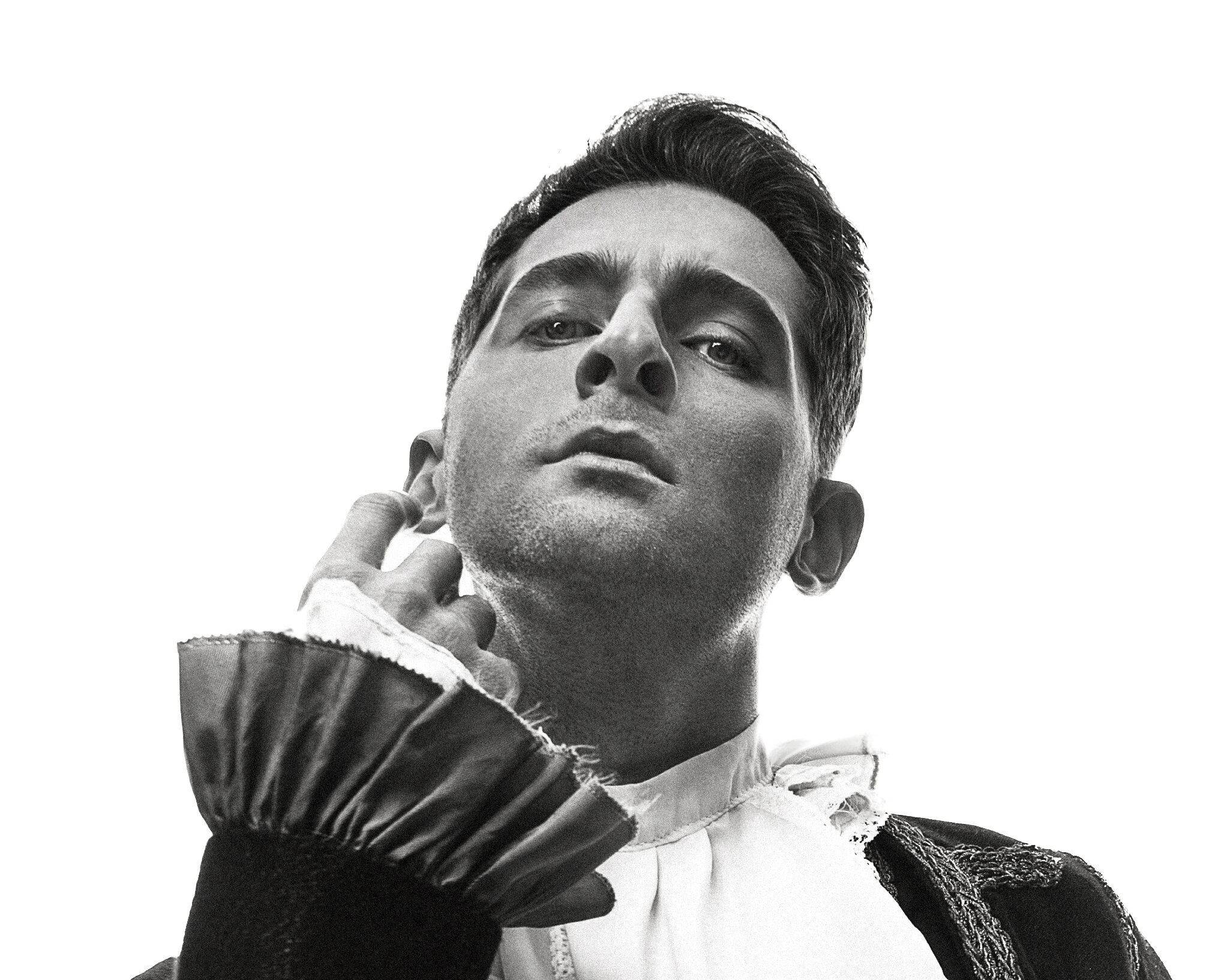
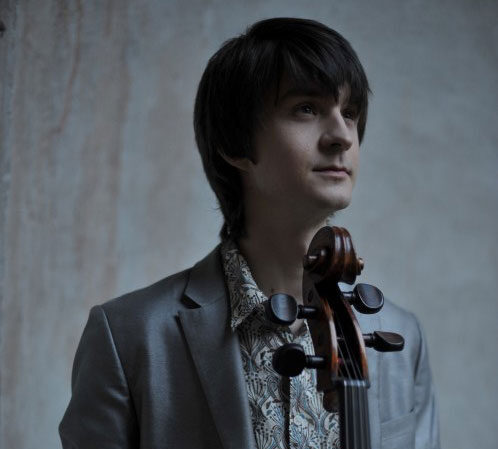
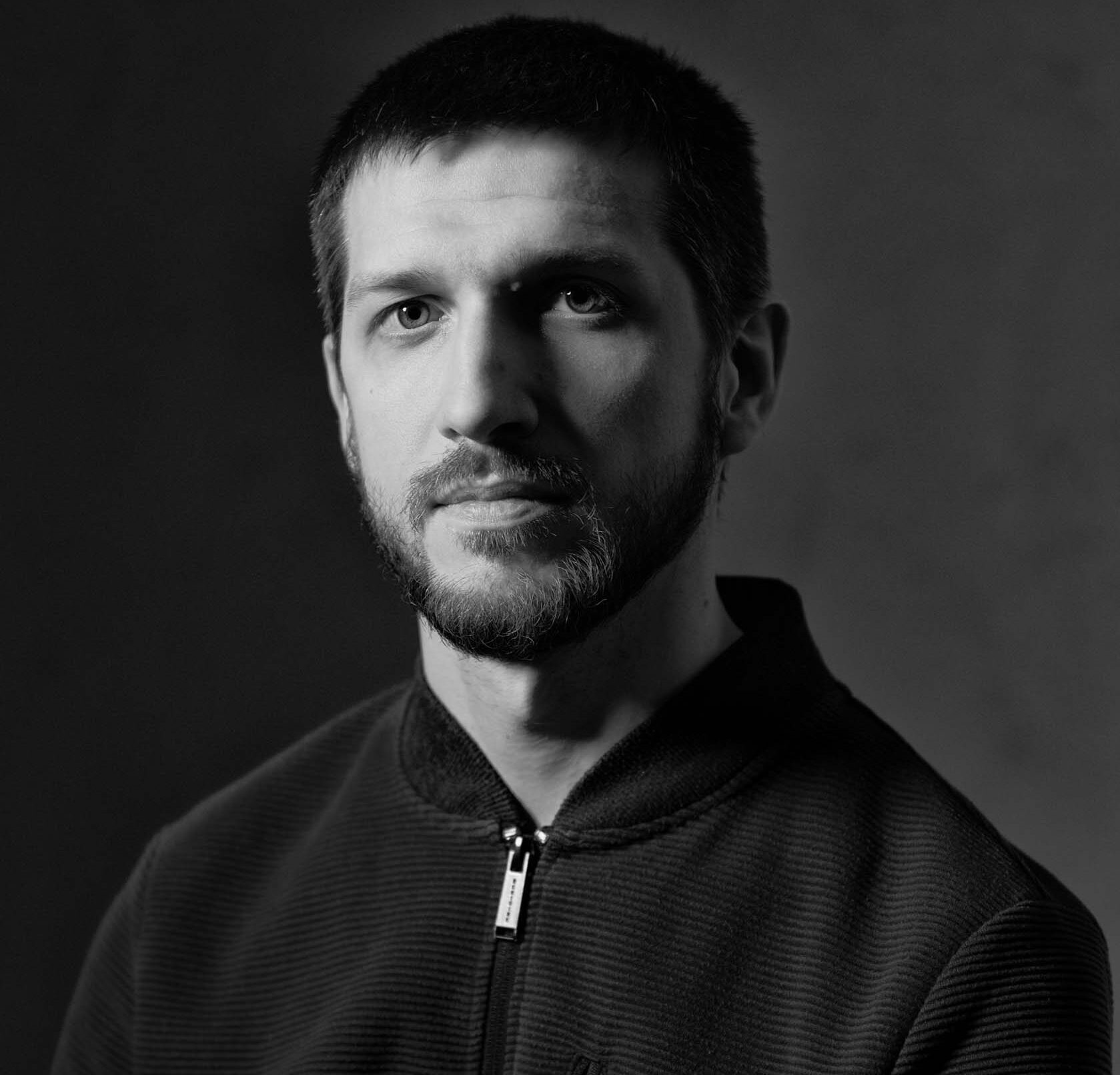
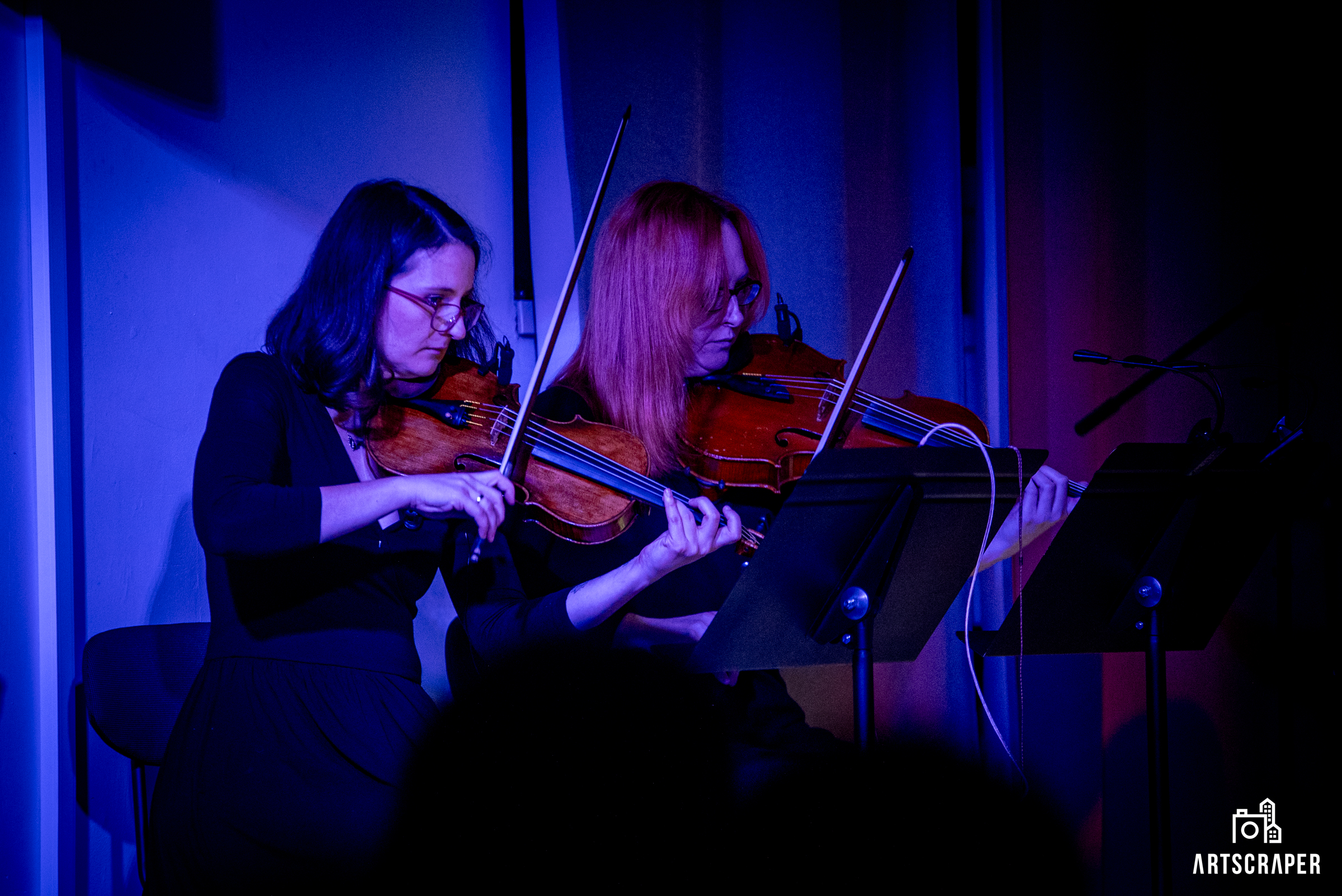
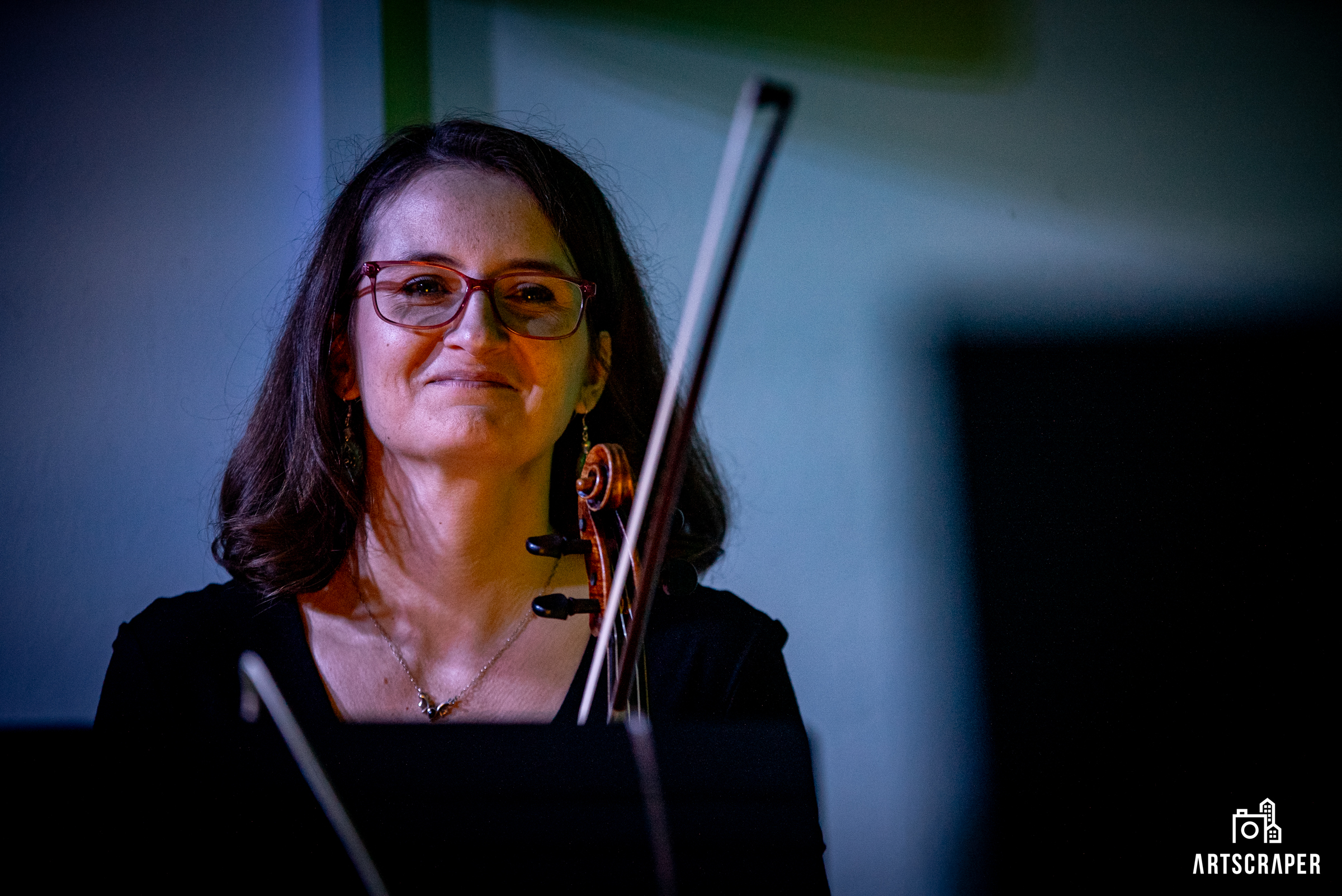
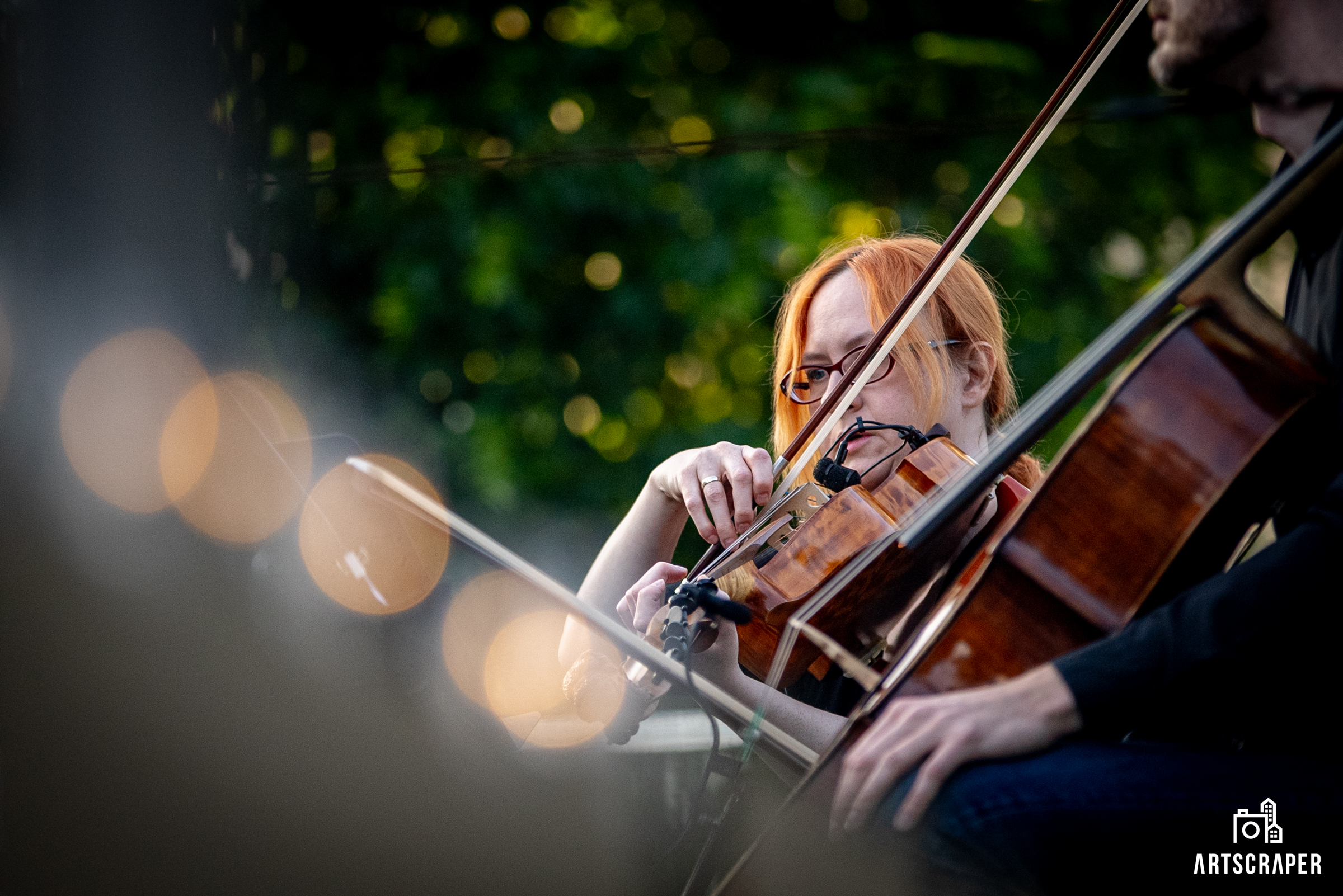
Tomasz Prasqual photo by Bartek Barczyk
Lilianna Krych photo by Katarzyna Stefanowska i Michał Zajączkowski
Giulia Fornasier photo by Sandra Then
Cezary Tomaszewski – photo courtesy of the artist
Justyna Wasilewska photo by Tyndyk/Lach
Mateusz Górski photo by Tyndyk/Lach
Justyna Rapacz photo by Kinga Karpati & Daniel Zarewicz
Michał Sławecki photo by Wiktor Franko
Bartosz Koziak photo by Marcin Koszałka
Dominik Płociński photo by Magda Hueckel
Zespół Hashtag Ensemble fot. Michał Piórkowski
about artists and creators
Tomasz Prasqual – composer, dramaturg, pianist, and founder of the Archipel Lab platform. His work unfolds at the intersection of contemporary music, music theatre, performance, architecture, sound art, science, and philosophy. He is the author of nine operas and music-theatre works, as well as spatial, orchestral, chamber, and electronic compositions. At the core of his most recent projects are questions of intimacy, relationality, listening, desire, and the transformative potential of artistic encounters. Between 2018 and 2020, he served as an artist-expert for the European Commission’s SciArt programme, and in the 2023/24 season he was dramaturg and curator of the Ruhrtriennale festival. He has received numerous scholarships and grants from the Polish Ministry of Culture and National Heritage, Kunststiftung NRW, Deutsche Bank Stiftung, and other institutions. In 2025, he completed a three-month artistic residency in Istanbul, where he will return in 2026 and 2027, collaborating with institutions including the Centre for Advanced Studies in Music (MIAM) and the Orient Institut. In 2026, he participates in the international Performance Studies International (PSi) conference in Jakarta, where he presents his original model of music theatre as an archipelago. Since 2026, he has served as Secretary of the Board of ON – Neue Musik Köln, where he is responsible for the organisation’s programme development. His recent projects include String Quartet No. 2, Can There Be Too Much Love in This World?, performed by Neo Quartet in Gdańsk, Prague, Vienna, Munich, and Berlin; Far Beyond Vanilla for the 31-ton Archiorgano (Basel); and Relational Bodies for eight musicians performing on GenDyn synthesizers, premiered in its entirety as part of the Istanbul edition of the Venice Biennale at Feshane Art Istanbul.
Giulia Fornasier is a freelance music theatre dramaturg and librettist working across institutional and independent contexts and based in Berlin. She studied philosophy and production dramaturgy in Rome and Berlin, her work focuses on developing new music theatre formats, contemporary narratives, and interdisciplinary dramaturgies. She collaborates closely with directors and composers on the creation of new works and opera staging, with a strong emphasis on process-based development and documentary approaches. Her projects have been presented at major opera houses and theatres, including the Deutsche Oper Berlin, the Bayreuther Festspielen, the Staatsoper Hannover, the Nationaltheater Weimar, the Opernhaus Zürich and the Greek National Opera, as well as in Berlin’s independent scene like at Sophiensaele and at the Neuköllner Oper. Giulia Fornasier is an alumna of the Deutsche Bank Foundation’s Akademie Musiktheater Heute.
Lilianna Krych she works primarily in opera and contemporary music and was nominated for the 2022 Paszport Polityki award. In the 2023/24 season, she participated in the Britten Pears Young Artists programme. She is a member of the creative collective Hashtag Ensemble and co-directs Hashtag Lab, a platform dedicated to contemporary music. She graduated from the Fryderyk Chopin University of Music in Warsaw, where she studied conducting under Professor Marek Pijarowski, and is currently pursuing a doctoral degree at the Grażyna and Kiejstut Bacewicz Academy of Music in Łódź. Her extensive experience working with choirs and vocal ensembles led her to found Match Match Ensemble in 2022, a group specialising in music at the margins of the mainstream—whether newly composed or historically overlooked and insufficiently explored. Between 2013 and 2018, she collaborated with the Grand Theatre – Polish National Opera as an assistant conductor. As a conductor, she has also worked with the Szczecin Philharmonic, Lower Silesian Philharmonic, Świętokrzyska Philharmonic, Zielona Góra Philharmonic, Cappella Regia Polona, and the Sinfonietta of the Polish Royal Opera. She recorded music by Tomasz Opałka, which was presented at the Polish Pavilion during Expo 2020 Dubai (held in 2021–2022). Education plays a significant role in her artistic practice. She leads, among other activities, a mixed orchestra at the Oskar Kolberg State Music School in Warsaw and conducts workshops for Hashtag Lab, the Fryderyk Chopin Institute, and various music festivals.
Cezary Tomaszewski theatre and opera director, choreographer, and performer. He made his debut in Vienna at Brut Theater with a widely acclaimed staging of Lehár’s The Merry Widow, casting four Polish cleaners in the production. The performance was recognised by the prestigious magazines Theater heute and Falter as the best debut and best independent production of 2009 in Vienna. After returning to Poland, he began collaborating with Capella Cracoviensis, developing a series of theatrical productions based on classical music and contemporary performative strategies, including site-specific theatre, collaborations with local communities, and documentary-inspired formats. Since his dramatic theatre debut with Wesele (based on Wyspiański’s The Wedding) at the Jan Kochanowski Theatre in Opole, he has consistently expanded his practice across a wide range of theatrical genres. He has directed numerous productions at major Polish theatres, including Studio Theatre and Powszechny Theatre in Warsaw, Juliusz Słowacki Theatre and Ludowy Theatre in Kraków, Jerzy Szaniawski Drama Theatre in Wałbrzych, Capitol Theatre, Wrocław Opera, Wrocław Mime Theatre, and the Polish Theatre in Bydgoszcz. His production The Szpilmans (Szpilmanowie), created at Zagłębie Theatre in Sosnowiec, received multiple awards and was presented at numerous prestigious theatre festivals in Poland and abroad. His iconic staging of Stanisław Moniuszko’s Home Songbooks, titled Cezary Goes to War (Cezary idzie na wojnę), produced by Komuna Warszawa, has been performed nearly one hundred times across fourteen countries and four continents, and was recorded for Polish Television Theatre in 2025. He teaches Performance Studies at the Acting Department of the Stanisław Wyspiański Academy of Theatre Arts in Kraków. In 2017, he was nominated for the Paszport Polityki award.
Justyna Wasilewska is known for creating diverse theatrical roles, bringing to life deeply emotional and compelling characters. Her stage presence is distinguished by exceptional musical sensitivity and a distinctive voice. She graduated from the Leon Schiller National Film, Television and Theatre School in Łódź. She made her stage debut at the Stefan Jaracz Theatre in Łódź in Macbeth, directed by Mariusz Grzegorzek, with whom she continued to collaborate on subsequent productions. She has performed at leading Polish theatres, including the National Stary Theatre in Kraków, and has been a member of TR Warszawa since 2014. Throughout her career, she has worked with some of Poland’s most prominent directors, including Grzegorz Jarzyna, Jan Klata, Kornél Mundruczó, Michał Borczuch, and Anna Smolar. In June 2026, she will appear in CocoRosie’s international opera La Mort de la Mer. Her extensive screen work includes roles in films and television series such as The Art of Loving (Sztuka kochania), Romantik, The Missing (Nieobecni), Crusade (Krucjata), and Heweliusz. She has received numerous theatre awards for performances in productions including Pieces of a Woman (Cząstki kobiety), Puppenhaus. Kuracja, and Orpheus (Orfeusz). She has also been nominated for both the Paszport Polityki award and the Zbigniew Cybulski Award.
Mateusz Górski is a theatre and film actor and a graduate of the Academy of Theatre Arts in Kraków. He made his stage debut as a child at the Jan Kochanowski Theatre in Opole, where he appeared, among other productions, in Maja Kleczewska’s staging of Forefathers’ Eve (Dziady). While still a student, he performed at major Kraków theatres, including the National Stary Theatre and the Juliusz Słowacki Theatre. He has been a member of TR Warszawa since 2019. His stage collaborations include productions by Grzegorz Jarzyna, Michał Borczuch, Anna Smolar, Magda Szpecht, Katarzyna Minkowska, and Michał Buszewicz. He played Hans Castorp in The Magic Mountain (Czarodziejska góra) and currently performs in Paweł Sakowicz’s Laguna and Lina Lapelytė’s Cosmic House (Kosmiczny dom). In film and television, he gained widespread recognition for his portrayal of Grzegorz Przemyk in the acclaimed and award-winning film Leave No Traces (Żeby nie było śladów, 2021). His screen credits also include the television series Mental and productions such as Fanfic, Call Me Lala, Prześwit, Heaven. A Year in Hell (Niebo. Rok w piekle), and Heweliusz.
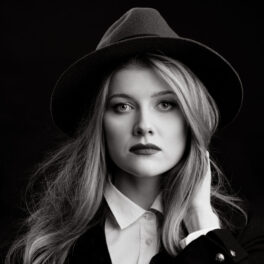
Justyna Rapacz is a mezzosoprano. From 2021 to 2023, she was a member of the Young Ensemble at the Semperoper Dresden, where her roles included Mercédès in Carmen, the Second Lady in The Magic Flute, Tisbe in La Cenerentola, and the Second Maid (Zweite Magd) in Elektra. Among her most recent achievements is her debut at the Wrocław Opera as Dulcinée in Massenet’s Don Quichotte, conducted by Patrick Fournillier and directed by Marek Weiss. This season, she also appeared at the Wratislavia Cantans Festival, performing Mozart’s Coronation Mass with Il Giardino Armonico, and at the Baden-Baden Festival in Rossini’s La Cenerentola. In 2023, she made her debut at the Théâtre des Champs-Élysées in Paris as Tisbe in La Cenerentola, in a production directed by Damiano Michieletto, and also returned as a guest artist to the Semperoper Dresden. In 2021, she made her debut at the Grand Theatre – Polish National Opera in Warsaw as Katharina Schratt in the ballet Mayerling. In collaboration with the Warsaw Chamber Opera, Capella Cracoviensis, and the Polish Royal Opera, she has performed such roles as Dido, Piacere in Handel’s Il trionfo del Tempo e del Disinganno, the title role in Handel’s Solomon, and Virtue in The Choice of Hercules in Bruges. She has also performed the alto solo in major oratorio works including Bach’s Mass in B minor and Handel’s Messiah.
She has appeared several times at the Opera Rara Festival, including in Brahms’s Alto Rhapsody, and at the 24th and 25th Ludwig van Beethoven Easter Festival, performing the title role in Holst’s Sāvitri and Moska in Cherubini’s Faniska under the baton of Łukasz Borowicz. She also took part in Penderecki’s The Black Mask with the Polish National Radio Symphony Orchestra conducted by Marin Alsop. At the National Philharmonic in Warsaw, she has performed in Saint-Saëns’s Oratorio de Noël, Krzesimir Dębski’s Historical Songs, and Mozart’s Requiem. She studied at the Fryderyk Chopin University of Music in Warsaw and the Hochschule für Musik, Theater und Medien Hannover. She is also a graduate of the Opera Academy at the Grand Theatre – Polish National Opera in Warsaw. Her discography includes Cherubini’s Faniska, songs by Moniuszko, and albums featuring works by Hasse and Vivaldi. She has collaborated with conductors including Jan Tomasz Adamus, Benjamin Bayl, Jonathan Darlington, Srba Dinić, Kilian Farrell, John Fiore, Ádám Fischer, Christoph Gedschold, Paul Goodwin, Thomas Hengelbrock, Marie Jacquot, Andrzej Kosendiak, Alessandro De Marchi, and Evan Rogister, as well as stage directors Josef E. Köpplinger, Nikolaus Habjan, Krystian Lada, and Karl Burnett.
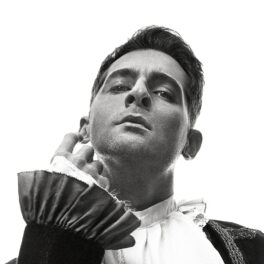
Michał Sławecki is a graduate of the Vocal Department of the Fryderyk Chopin University of Music in Warsaw, where he studied under Artur Stefanowicz. While still a student, he made his operatic debut at the Opera at the Castle in Szczecin as Prince Orlofsky in Johann Strauss II’s Die Fledermaus, and appeared as Nero in Monteverdi’s L’Incoronazione di Poppea at the Collegium Nobilium Theatre in Warsaw. He has performed at major Polish venues including the Warsaw Philharmonic, Szczecin Philharmonic, Baltic Philharmonic in Gdańsk, Silesian Opera in Bytom, Polish Theatre in Warsaw, Grand Theatre – Polish National Opera in Warsaw, Polish Royal Opera, Grand Theatre in Łódź, the Royal Castle in Warsaw, Opera Nova in Bydgoszcz, the National Forum of Music in Wrocław, the NOSPR Concert Hall in Katowice, and the Witold Lutosławski Concert Studio of Polish Radio in Warsaw. He has also appeared internationally at opera houses and festivals including La Biennale di Venezia in Italy, Tokyo Bunka Kaikan in Japan, the Saaremaa Opera Festival in Estonia, the Musica Festival in Strasbourg, as well as with the Dresdner Philharmonie and Münchner Philharmoniker, and in Belgium, Kazakhstan, China, Serbia, and South Africa. He collaborates closely with leading Polish contemporary composers. He has performed Paweł Mykietyn’s Shakespeare’s Sonnets at venues and festivals including Corso Polonia / Festival delle Arti Unite in Rome, the Manoel Theatre in Malta, Post Fine Arts in Freiburg, the International Contemporary Music Festival in Lviv, the National Arts Festival in South Africa, and the Nostalgia Festival in Poznań. He has also performed in Wojciech Błażejczyk’s Fake Opera at the Warsaw Autumn Festival (2021), Sławomir Kupczak’s Voyager at the Grand Theatre – Polish National Opera in Warsaw, and works by Rafał Ryterski at the Warsaw Autumn Festival (2022). He participated in the recording of Agata Zubel’s opera Oresteia for Polish Radio and has made numerous radio and television recordings throughout his career.
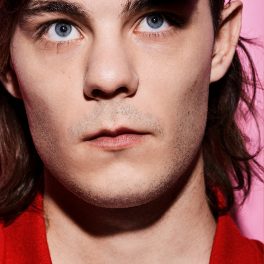
Bartosz Koziak A graduate of the Fryderyk Chopin Academy of Music in Warsaw, he studied under Kazimierz Michalik and Andrzej Bauer, graduating with distinction. He also continued his studies at the Conservatoire National Supérieur de Musique de Paris in the class of Philippe Muller. He participated in masterclasses in Besançon, Barcelona, Głuchołazy (with Roman Jabłoński), and Żagań (with Kazimierz Michalik and Andrzej Bauer). In 1988, he won First Prize at the National Cello Competition in Elbląg and the First Prize of the Polish Journalists’ Association in the Kraków Musical Personality Competition, and received a scholarship from the Ministry of Culture and Art. He is also the winner of the 3rd International Witold Lutosławski Cello Competition in Warsaw (2001) and received a special prize at the Prague Spring International Music Competition in 2006. In addition, he was awarded special prizes at the International Tchaikovsky Competition in Moscow, the ARD International Music Competition in Munich, and by Polish Radio Programme 2. In 2003 and 2004, he was a recipient of scholarships from the French Government. He has performed at leading concert venues including the Konzerthaus Berlin, Rudolfinum in Prague, Cité de la Musique in Paris, Teatro Politeama in Palermo, the Witold Lutosławski Concert Studio of Polish Radio, and the National Philharmonic in Warsaw. As a soloist, he has appeared with orchestras such as the Warsaw Philharmonic Orchestra, the Polish National Radio Symphony Orchestra (NOSPR), Sinfonia Varsovia, Sinfonietta Cracovia, Orchestra Sinfonica Siciliana, Orchestre Philharmonique de Monte Carlo, Münchener Kammerorchester, Prague Philharmonia, and the Radio Orchestras of Warsaw and Budapest, working with conductors including Krzysztof Penderecki, Jan Krenz, Antoni Wit, Gabriel Chmura, and Massimiliano Caldi. He is regularly invited to major international festivals, including the Warsaw Autumn Festival, Mecklenburg-Vorpommern Festival, and Young Euro Classic in Berlin. He has recorded extensively for Polish Radio and, in recent years, has frequently participated in Krzysztof Penderecki’s concert projects. He took part in the first commercial recording of Penderecki’s Concerto Grosso under the composer’s own direction.
Dominik Płociński (b. 1989) is a cellist, soloist, and chamber musician. He is the recipient of Second Prize and several special awards at the 9th International Witold Lutosławski Cello Competition in Warsaw, winner of Concert of the Year 2013, finalist of the European Broadcasting Union’s New Talent 2014 competition, and recipient of the Young Poland Scholarship 2016. He currently serves as Associate Principal Cello of the Polish Radio Orchestra in Warsaw. As a soloist, he has performed with the Warsaw Philharmonic Orchestra, the Polish Radio Orchestra, the Slovak Radio Symphony Orchestra, the Polish Sinfonia Iuventus Orchestra, the Opole Philharmonic Orchestra, and the AUKSO Chamber Orchestra of the City of Tychy, working with conductors including Marek Pijarowski, Rastislav Štúr, Marek Moś, Kai Bumann, Wojciech Semerau-Siemianowski, and Rafał Janiak, performing major works from the cello repertoire. He is a laureate and finalist of numerous national and international competitions, including, in addition to those mentioned above, the David Popper International Cello Competition in Várpalota (Hungary), the Kazimierz Wiłkomirski National Youth Cello Competition in Poznań, and the Bach Competition in Zielona Góra. Płociński is also an active chamber musician. Between 2011 and 2014, he performed extensively in a duo with pianist Paweł Arendt, earning recognition from both critics and audiences. In 2013, together with Joanna Kreft (violin) and Bartłomiej Wezner (piano), he founded the Herbert Piano Trio, which collaborates with the Zbigniew Herbert Foundation. The ensemble reached the semi-finals of major European chamber music competitions in Weimar and Trieste. In 2018, the trio performed Ludwig van Beethoven’s Triple Concerto with the Opole Philharmonic Orchestra under the baton of Kai Bumann. Płociński is also a member of the Warsaw-based CELLONET Group and Hashtag Ensemble, two leading Polish ensembles dedicated to the performance of contemporary music, which constitutes a significant part of his artistic activity. Together with these groups, he regularly appears at major music festivals, including the Warsaw Autumn Festival, Premieres Festival in Lviv, Kody Festival in Lublin, Artus Jazz Festival, Poznań Musical Spring, and the Festival of World Premieres in Katowice.
Tłumaczenie na angielski:
Co-financed by the Ministry of Culture and National Heritage from the Culture Promotion Fund under the “Composers’ Commissions” programme, implemented by the National Institute of Music and Dance.